Sustainability
You are reading about CORK | Go to LAFITTE >
Working toward a better future
Since the beginning of our operations, sustainability has been one of Lafitte’s top priorities. We believe that cork is one of the Earth’s greatest treasures, and we want to honor the system that has given us this gift: nature. As such, we are constantly improving every stage of our production process with the goal of reducing our environmental footprint.
35
Biodiversity hotspots around the world, with the Montado being one of them
14.000.000
Tons of atmospheric CO₂ offset annually by the Montado
34%
The largest area of cork oak forests in the world is located in Portugal
49%
Portugal accounts for [percentage] of global cork production
135
Plant species per square meter in cork oak forests
+200
Animal species inhabit the Montado
4x
Less CO₂ is released during the production of cork stoppers (compared to aluminum)
730.000
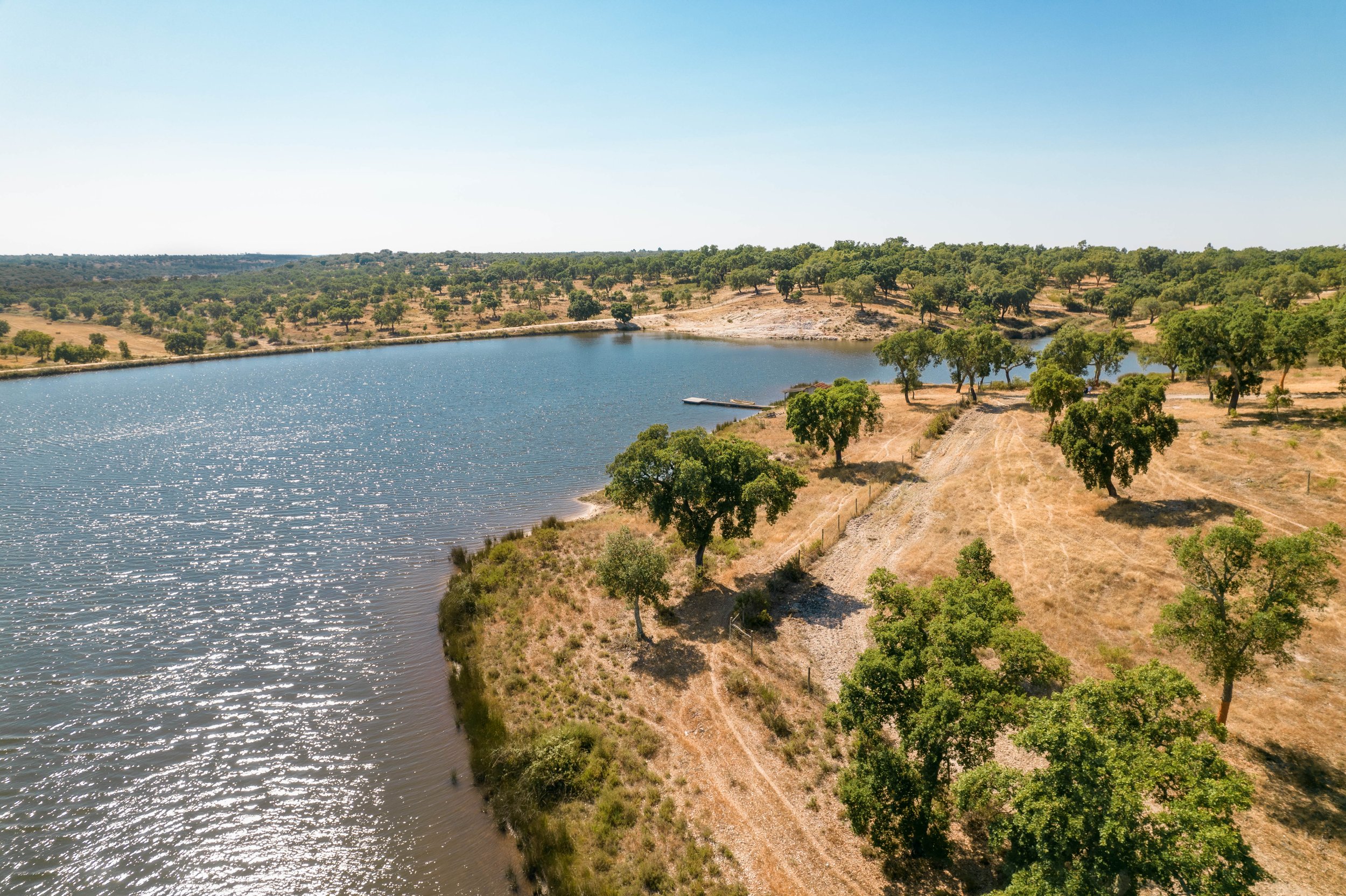
Hectares of land make up the cork oak forest area in Portugal
Why is cork a unique raw material?
100% natural

Cork is the bark of the Quercus suber tree, also known as the cork oak, a tree that can live up to 200 years. It is a 100% natural, 100% reusable, and 100% recyclable raw material, consisting of a network of microscopic cells filled with a gas identical to air and coated primarily with suberin and lignin.
This unique chemical composition gives cork a range of unmatched characteristics—lightness, elasticity, compressibility, strength, water resistance, and thermal and acoustic insulation—that cannot be compared to any other man-made material. These unique characteristics allow for a variety of uses and also enable its reuse.
Eco-friendly

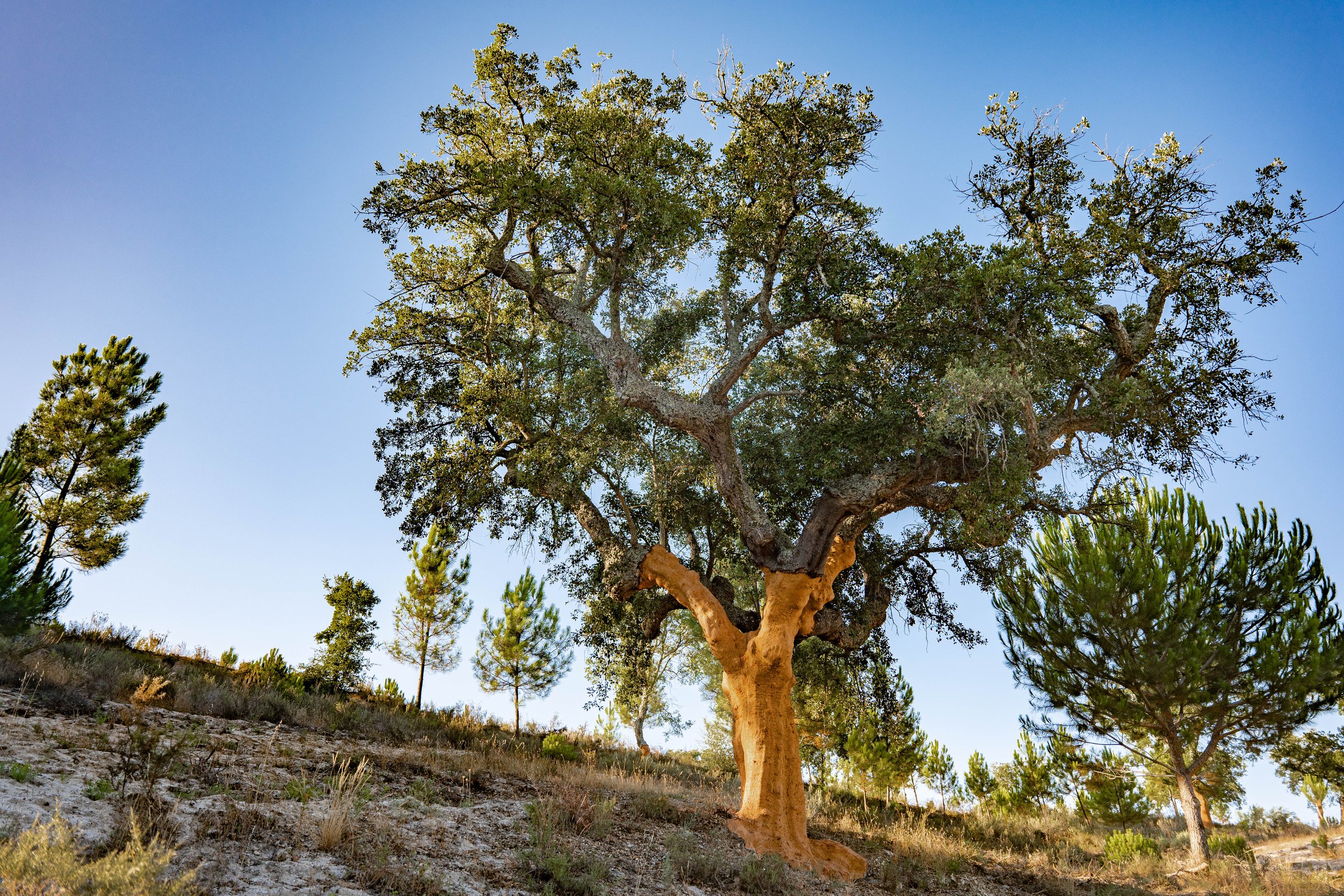
From an environmental perspective, cork oak trees—from which cork is harvested—play a vital role in soil conservation, the regulation of the water cycle, and water quality.
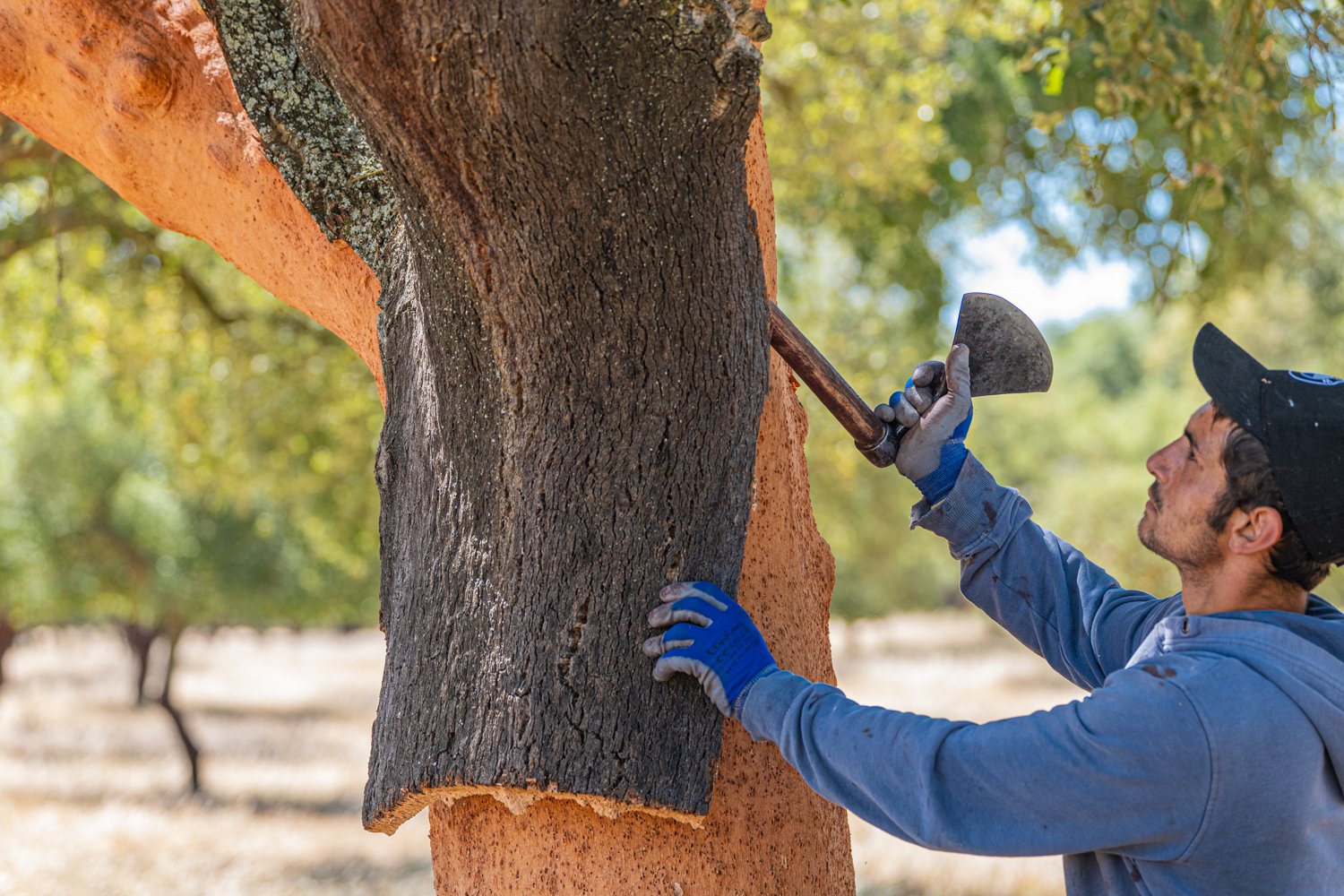
Harvesting cork from cork oak trees does not harm them—quite the opposite. Careful cork harvesting, carried out by professionals, does not damage the trees, as only their bark is removed. Cork naturally regenerates after nine years. The cork industry also helps protect these vast forests without disrupting their ecosystems—in fact, bare cork oaks absorb 3 to 5 times more carbon dioxide than trees with bark.
These trees actively combat the trend of desertification in the Mediterranean regions. Furthermore, due to their enormous oxygen production, cork oaks offset approximately 14 million tons of carbon dioxide emissions annually and constitute a unique and extraordinarily rich ecosystem, home to thousands of species. In fact, the Montado is internationally recognized for its biodiversity, as it is one of the 35 biodiversity hotspots in the world.
Reuse

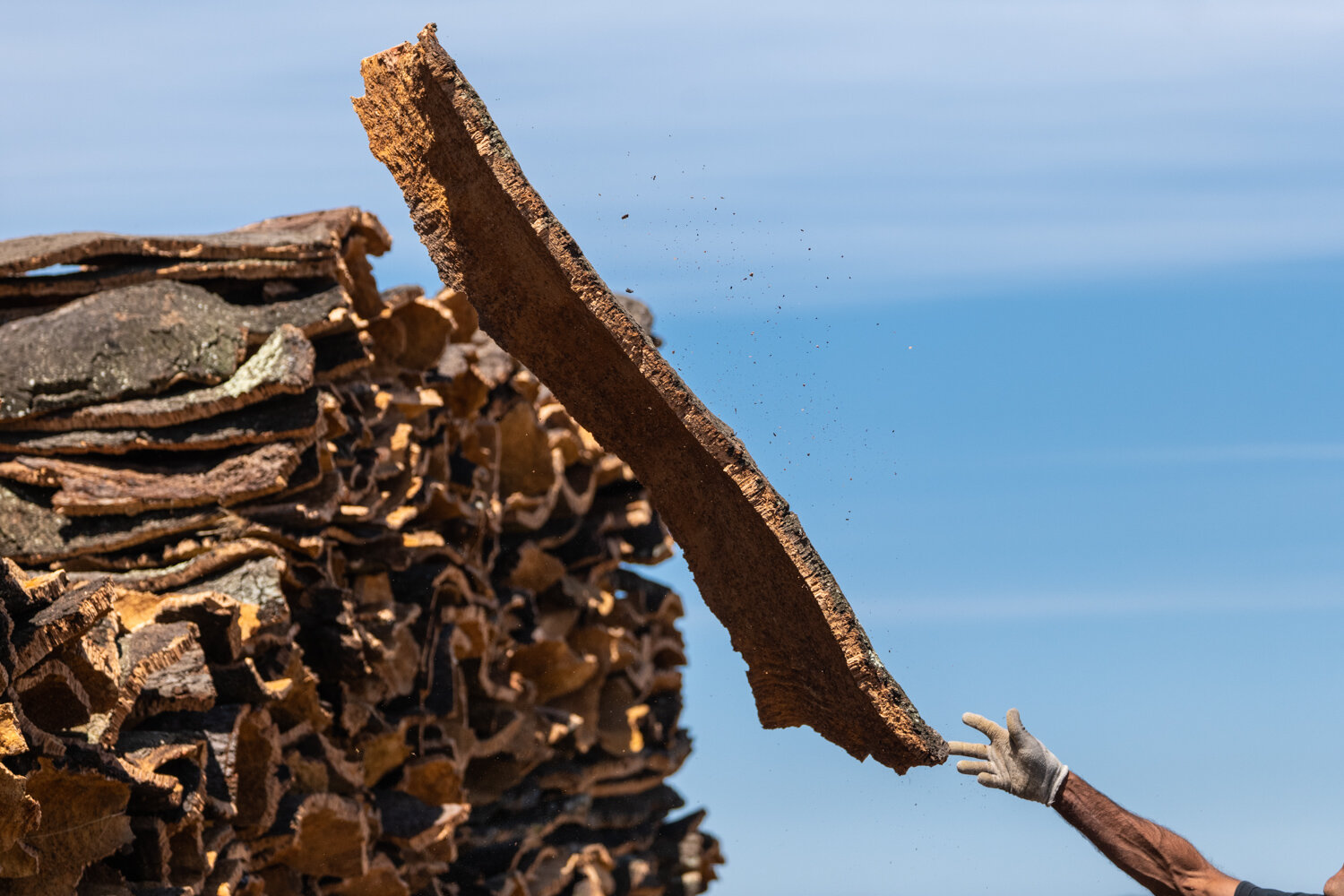
The cork used in the production of cork stoppers is recycled to create other products, which means that the waste generated by the production process is not wasted.
This cork is ground up and used in other products, such as composite materials, panels, footwear, vehicles, home décor, and much more.
Aging potential

Approximately 50% of a cork’s volume consists of a gas identical to air, which gives it extraordinary lightness and allows it to float. This chemical composition also gives cork surprising elasticity, enabling it to adapt to changes in temperature and pressure without being affected. This elasticity causes the cork to expand inside the neck of a bottle, sealing the liquid inside.
However, the magic lies in the tiniest details—its microscopic porosity allows oxygen to interact with the wine in just the right amount to trigger the aging process.
Because of the waterproofing properties provided by suberin, which surrounds the walls of its cells, cork is an excellent insulator that is resistant to moisture and aging without deteriorating.
Choose the cork.
The use of bottles with cork stoppers helps offset a large portion of the pollution caused by shipping emissions.
There is just one more thing to add to the list of ecological and economic benefits: pleasure. As we know, cork has been admired by everyone for centuries. Nothing preserves the traditional flavor, body, and color of a wine as faithfully as the natural purity of a cork stopper.
What about Lafitte?
Our second skin
The Lafitte Group is firmly committed to providing its customers with sustainable and eco-friendly solutions across its entire product line. We take pride in using ethical and environmentally responsible methods in the production of cork stoppers and capsules. Naturally, the raw material used by Lafitte—cork—is completely natural, clean, and renewable.
All waste generated during the production of cork stoppers is recovered and repurposed through new production channels.
Residual dust from the production process is used to generate energy, thereby reducing the use of fossil fuels and carbon emissions at the Lafitte processing facilities.
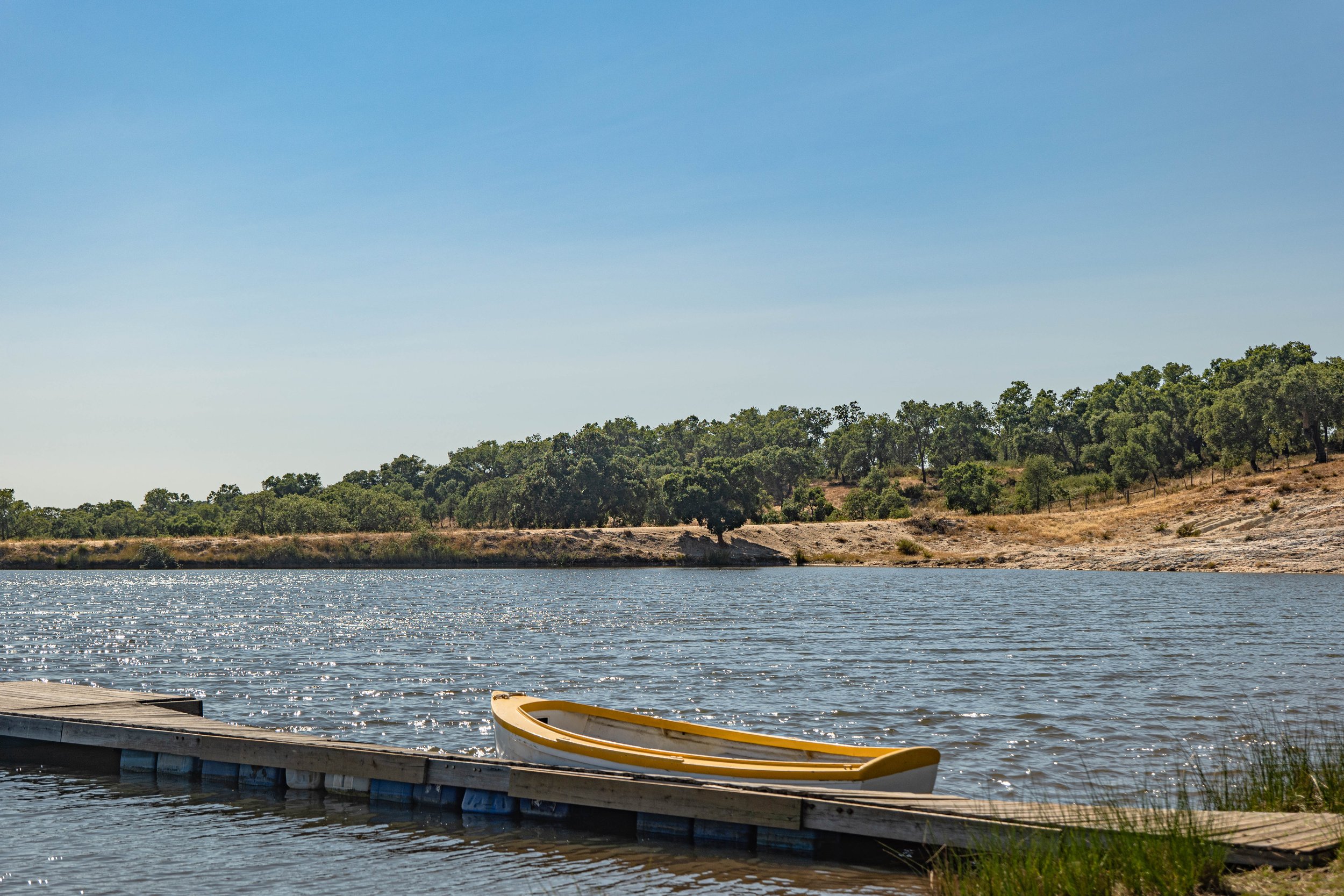
The Lafitte Group embraces a vision of harmony between the economy, society, and the environment.
Forest Protection
The Lafitte Group has a dedicated department that focuses exclusively on developing long-term strategic partnership agreements with forest owners to ensure the protection of these natural areas with a view to preserving critical biological habitats.