Quality Control
You are reading about QUALITY | Go to TECHNOLOGY >
An ever-present commitment
A culture of quality and the pursuit of excellence are the guiding principles behind the Lafitte Group's operations worldwide. All stages of production, from the selection of raw materials to the quality control of completed orders, are subject to an integrated control and verification system.
+8,000
TCA analysis (annually)
+4,000,000
PerfectGO analysis of cork stoppers (annually)
+6,000,000
Sensory analysis of cork stoppers (annually)
Quality control.
There are few companies as focused and forward-thinking as Lafitte. Our commitment to innovation and quality is closely linked to generational know-how, enabling us to design processes and equipment that allow us to guarantee perfect products.
The raw material undergoes several levels of control during production. Operators use advanced testing and measurement techniques to assess our demanding quality standards at each stage of production. The laboratory also inspects the product to ensure that pre-established quality standards are met.
Our quality control
-

Preventive procedures
Creating a perfect product requires dedication from the very beginning. These processes ensure the correct preservation of the raw material.
-

Sterilization processes
To ensure the perfect preservation of our customers' products, we carry out a series of disinfection and deodorization processes in order to eliminate all unwanted odors.
-
Process control
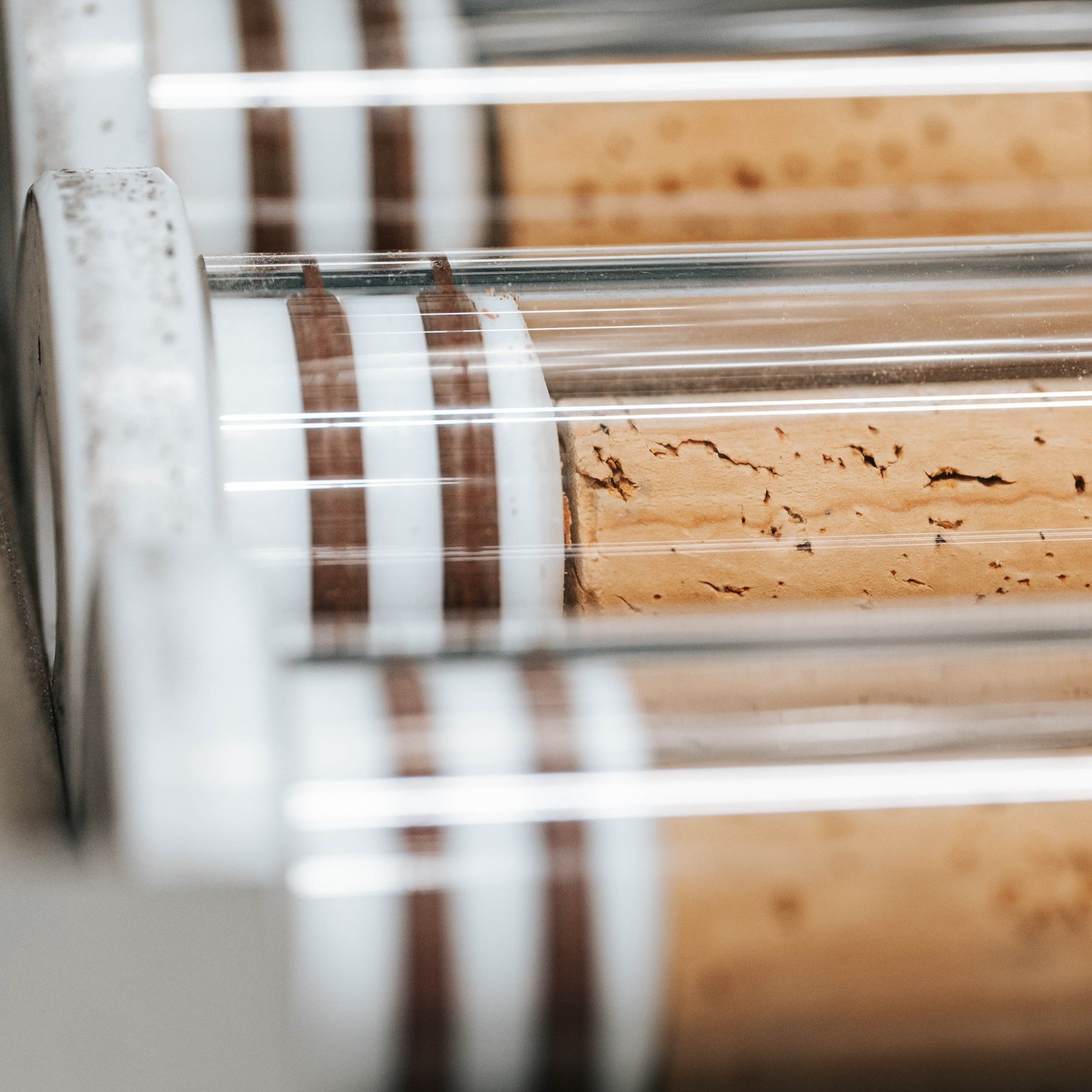
Achieving perfection is a difficult task, but that doesn't bother Lafitte. We want to provide the best product possible, which means continuously validating and monitoring our processes.
Preventive proceedings.
Every effort is made to identify the most effective methodology for achieving organoleptic neutrality.
— A clean preparation process, with the least possible impact on the material, respecting the safety of workers and the environment;
— A process that selectively eliminates and extracts, as effectively as possible, unwanted organic compounds: chlorophenols and chloroanisoles;
— A process that does not interfere with other organic compounds, which are responsible for the essential properties of cork as a raw material for sealing bottles and preserving wine.

Optimal storage of cork boards
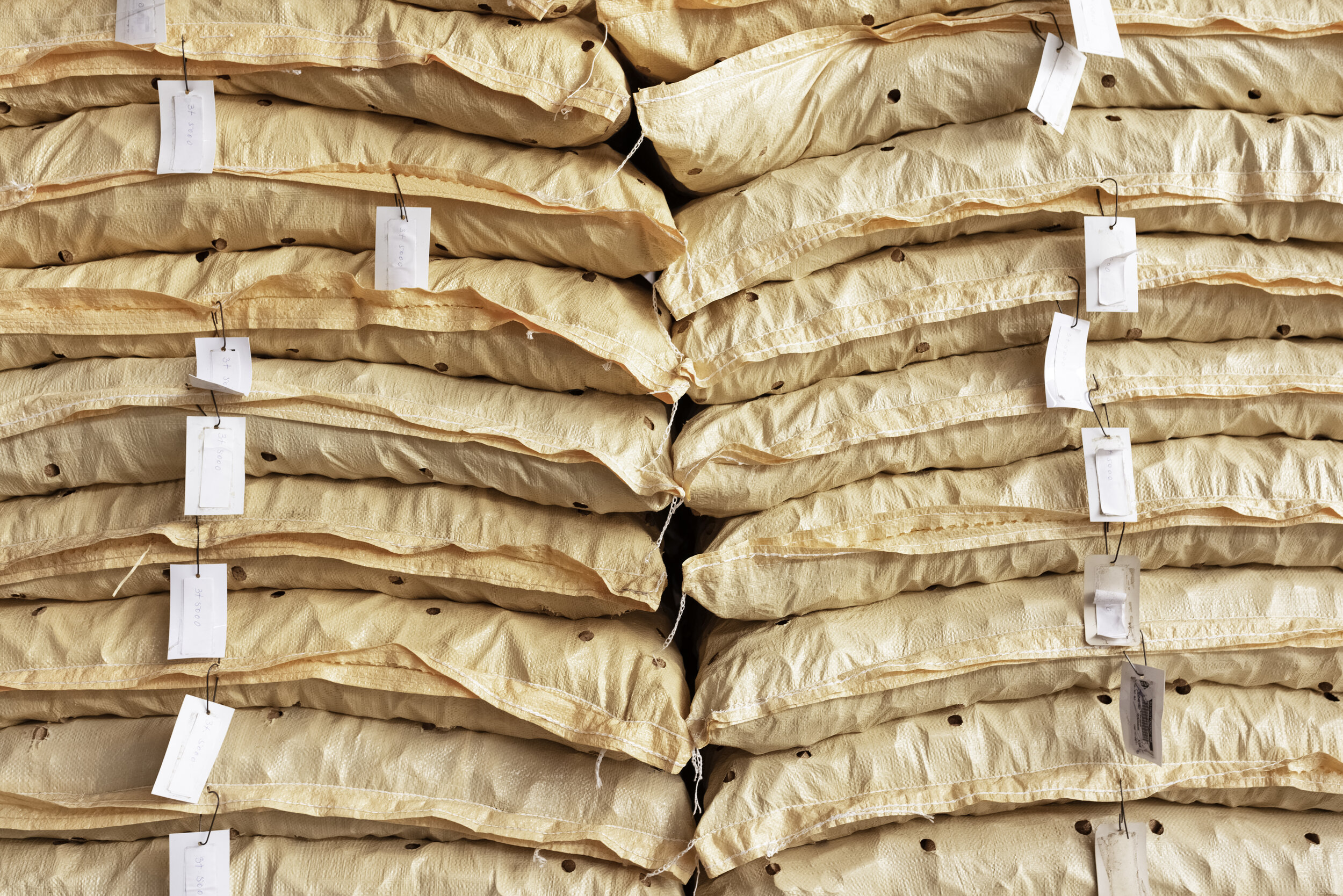
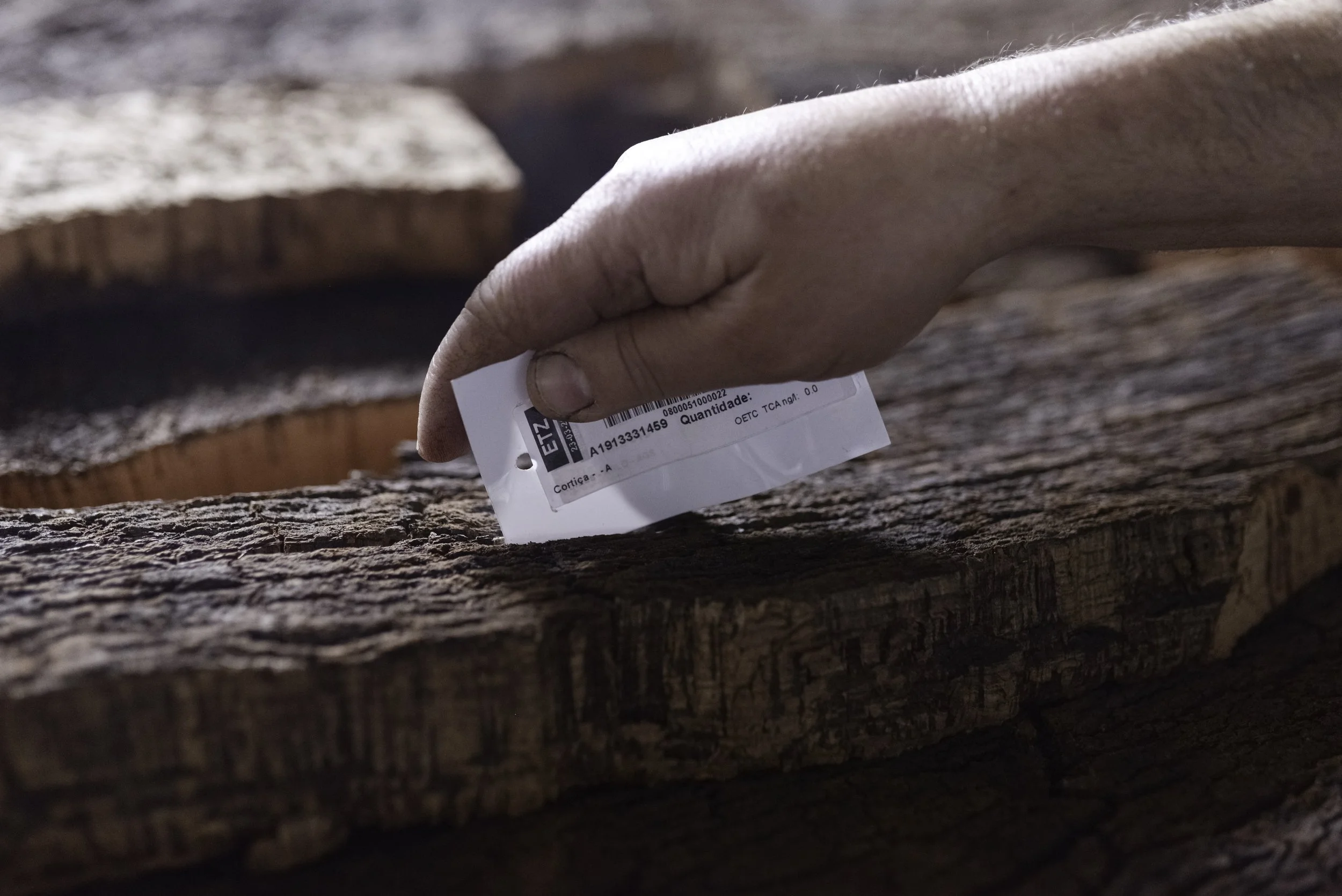
The cork sheets are placed in a yard for a minimum stabilization period of 6 months until they acquire a uniform moisture content. The cork stacks are identified to allow batches to be traced back to their origin.
Traceability is an essential factor in the certification of the management system in accordance with the International Code of Good Cork Harvesting Practices, the Quality and Food Safety Management System, and the Chain of Custody.
The cork piles are built in a rectangular shape, perpendicular to the prevailing wind and complying with all the requirements of the International Code of Good Cork Stopper Manufacturing Practice, in order to maximize air circulation, facilitate water drainage, and prevent microbial contamination.

Cork boiling
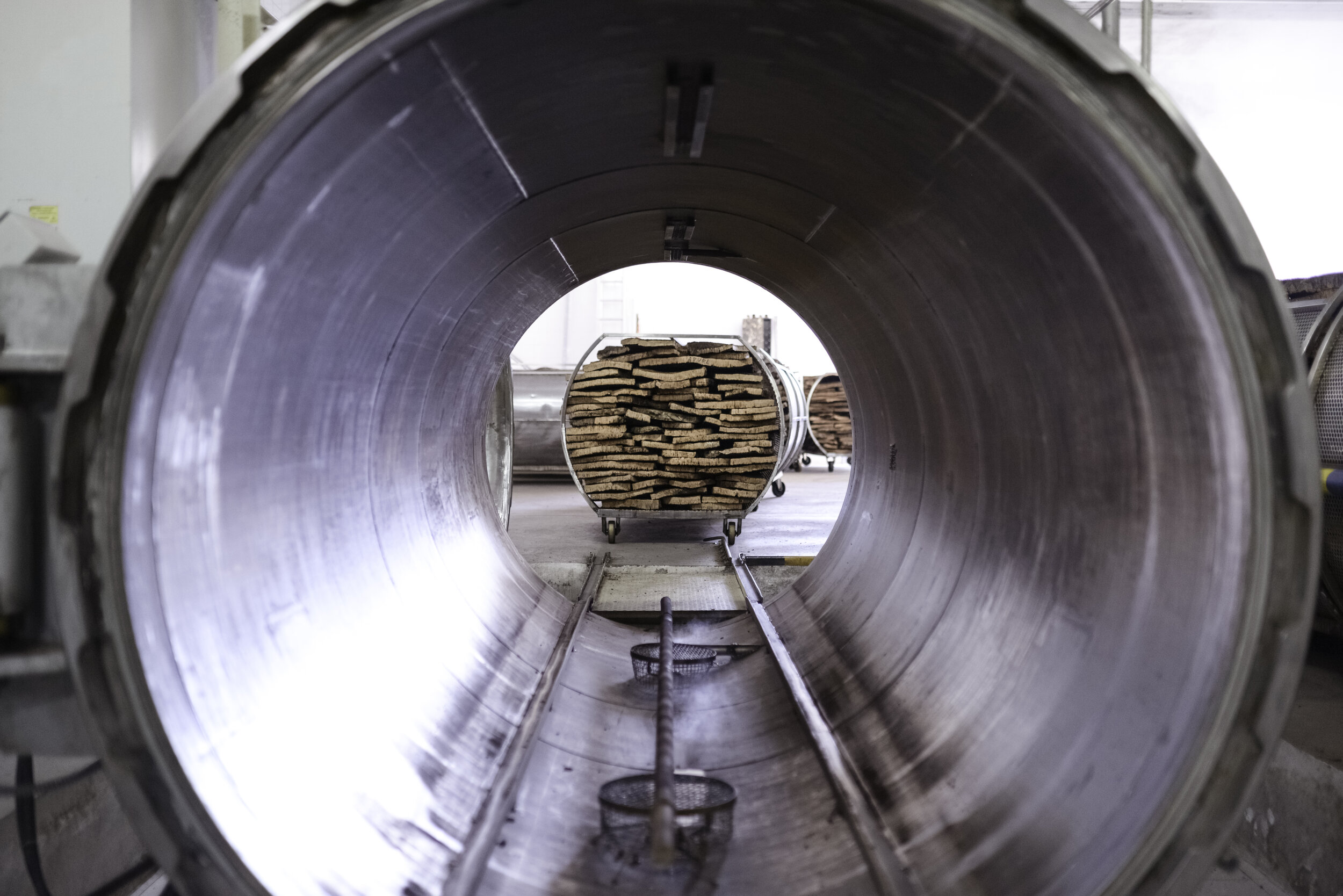
The cork planks are boiled in stainless steel boilers to remove impurities, clean the entire surface, and allow the cork to reach the ideal moisture content for processing.
Each batch is boiled for at least one hour, which increases the volume of the planks by 20%, making them more uniform and easier to work with.

Cork selection
After the resting period, the planks are selected by specialized operators to be transformed into natural corks. The thinner planks will be used in the production of discs for technical corks.
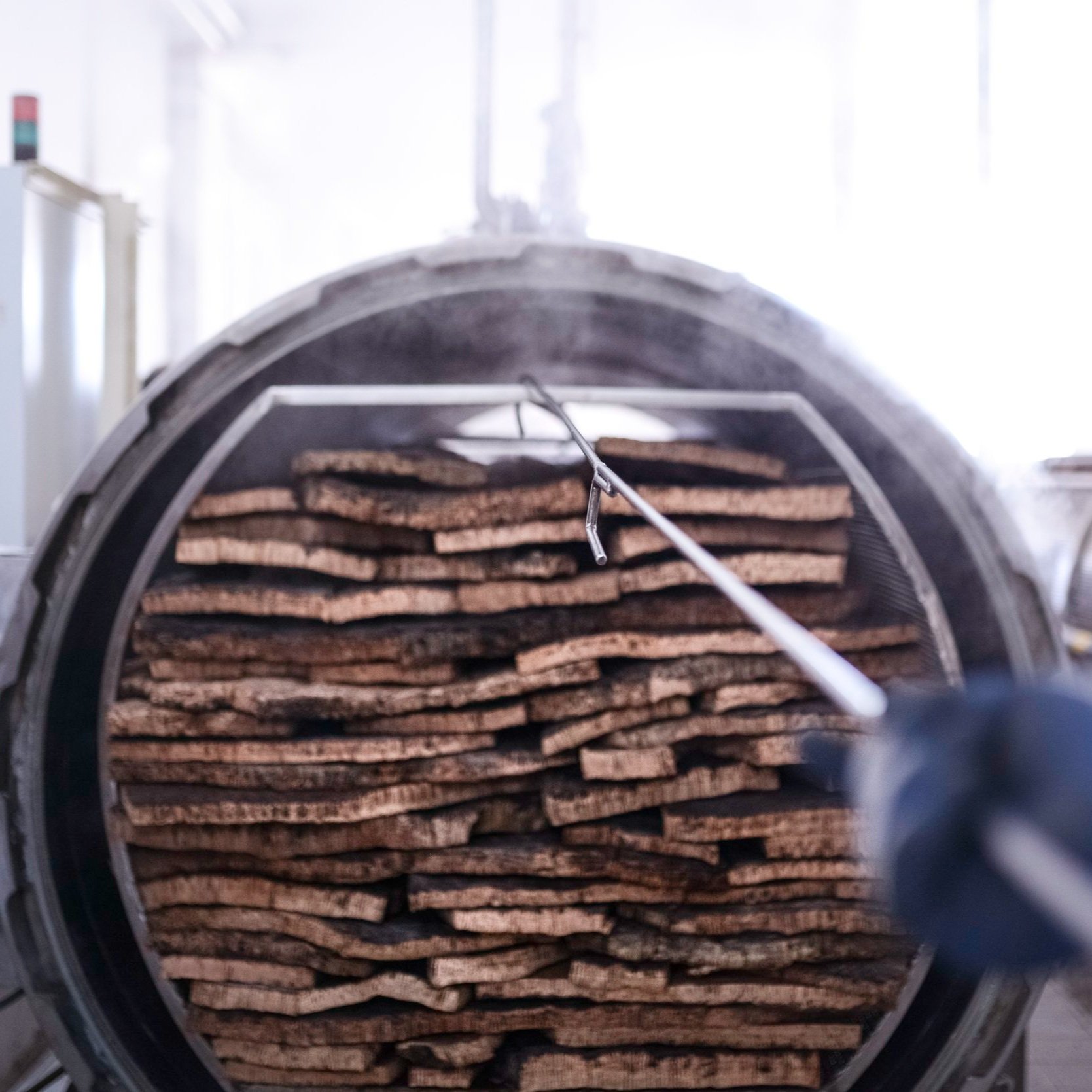
Autoclave
Process of deodorization, dimensional and hygrometric stabilization of prepared cork boards through the combined action of water vapor, pressure, and temperature under optimized conditions.
Sterilization processes.
MaxClean
At this stage, the granules undergo additional treatment to extract volatile organic compounds, such as 2,4,6-TCA, and reduce the microbiological load using the steam stripping technique.
MaxClean Evolution
Used in the treatment of natural cork stoppers, this technology produces cork stoppers with undetectable TCA levels. Compounds such as 2,4,6 TCA and other unwanted organic compounds present in cork are extracted by a deodorization/sterilization system using a combination of steam pressure, temperature, and time. The remarkable characteristics of natural cork and its unparalleled performance, essential for the conservation and evolution of wines, remain intact.
Process control.
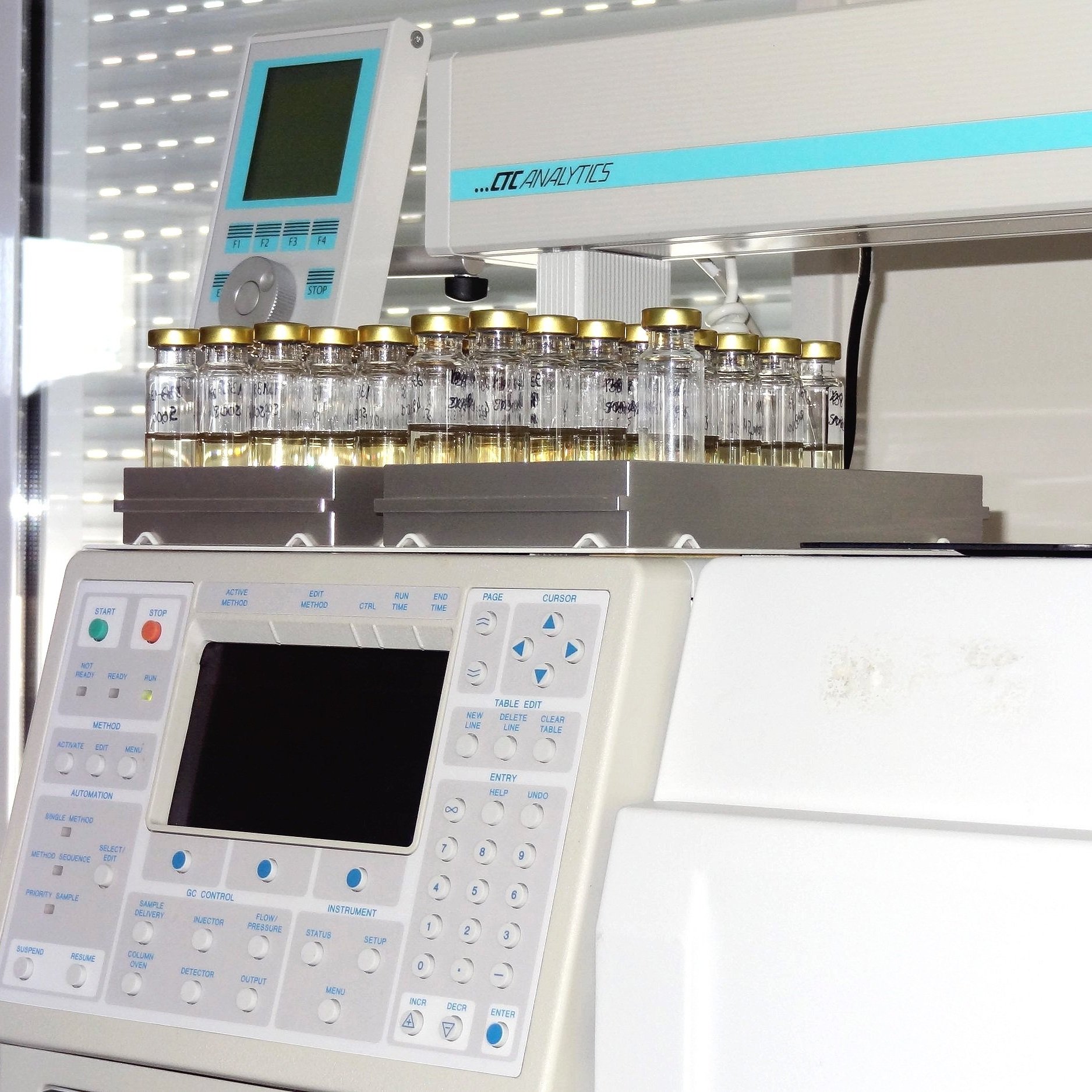
TCA analysis
Throughout the production process, representative samples from each batch are subjected to chloranisole quantification analyses using solid-phase microextraction (SPME) by gas chromatography-mass spectrometry (GC/MS) to detect unwanted components.
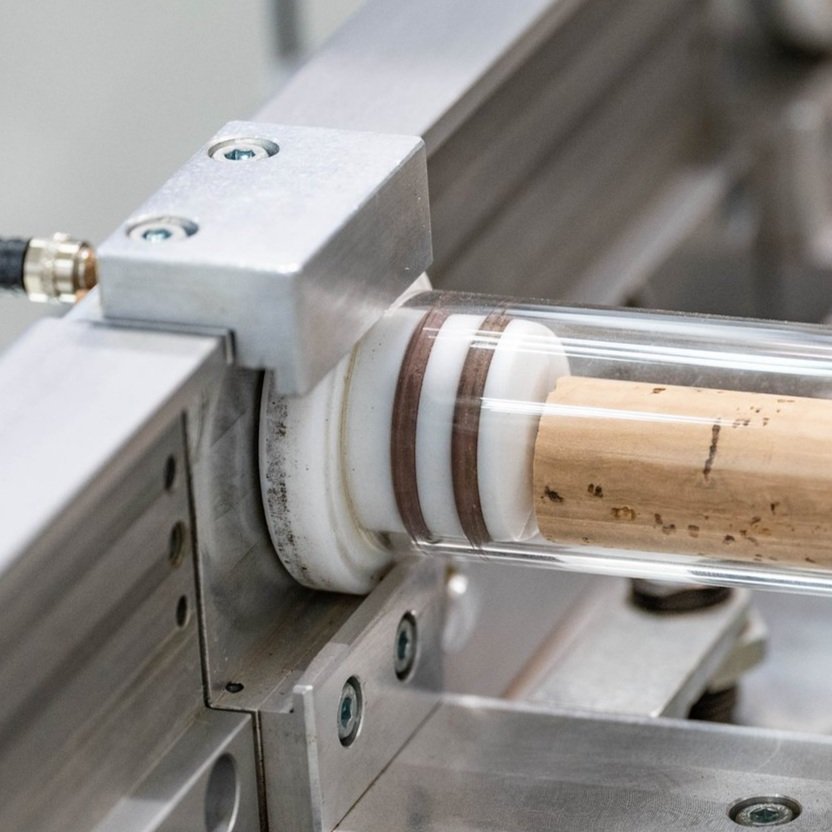
PerfectGO
PerfectGO is a unique TCA-sensitive detection system that segregates cork stoppers according to the level of TCA detected.
The cork stoppers are placed in a closed, inert space and subjected to a controlled temperature to volatilize the TCA molecules they contain.
TCA quantification is performed by equivalence, using solid-phase microextraction (SPME) and gas chromatography-mass spectrometry (GC/MS) techniques. This allows corks with TCA levels below the established limits to be separated, thus obtaining batches that are 100% TCA-free.

Sensory analysis
Batches of cork stoppers undergo sensory analysis by specialized technicians in order to control unwanted volatile compounds present in the cork, particularly 2,4,6-trichloroanisole (TCA).
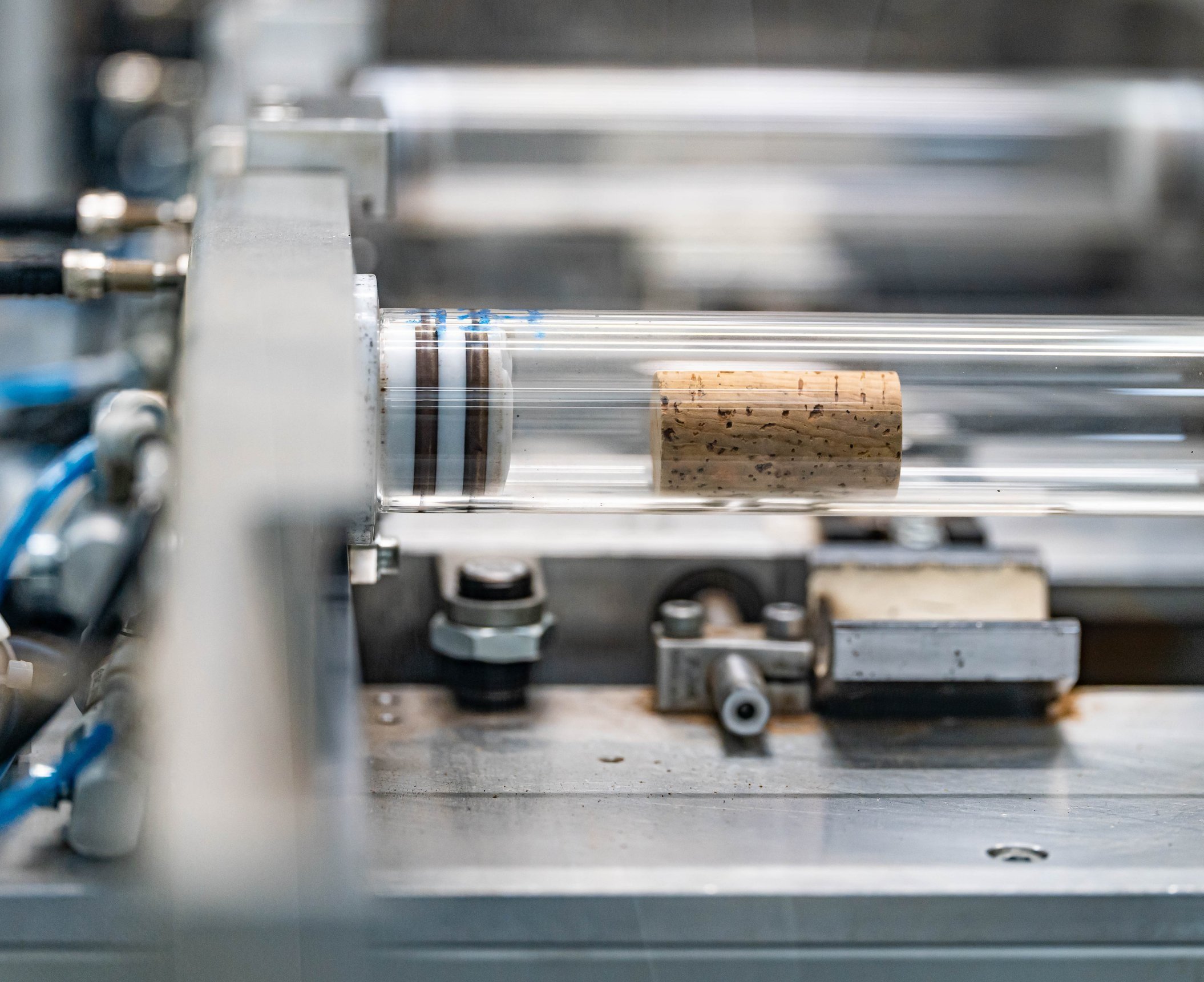
The tests performed during the manufacturing process can be grouped as follows:

Physical tests
Humidity
Dimensions
Density

Chemical tests
Oxidizing waste
Solid waste
Sensory analysis
Capillarity
Analysis of chloranisoles
e (TCA, TeCA, PCA)

Mechanical tests
Extraction force
Fence behavior
Resistance to boiling water
Elastic recovery

Others
Microbiology
Hydrostatic pump
Absorption

Quality legislation.
We are one of the associate members of the Cork Technology Center. All materials and technological aids used in manufacturing and treatment are approved for direct contact with food products in accordance with current legislation.
Our Internal Quality Control Laboratory is committed to utilizing the latest technological advances to ensure improvements in the production process.
In conjunction with our sensory analysis of all cork stoppers, an external laboratory performs TCA detection analyses using SPME techniques, thus ensuring the neutrality of all our products.
Capsules with water-based ink.
The exclusive use of water-based ink on the outer capsules is important because it allows us to provide our customers with products of the highest quality and safety. Water-based ink offers many benefits:
Environmental safety
Less than 5% Volatile Organic Compounds (VOCs) and free of heavy metals.
Human safety
Non-toxic and virtually harmless. Does not contain substances classified as Carcinogenic, Mutagenic, or Toxic for Reproduction (CMR) that have been associated with carcinogenic and teratogenic effects found in other paints.
technical quality The non-stick quality of this paint performs better on the bottling line, offering remarkable consistency.
Aesthetic quality
Softer and more uniform coating, both in tin and aluminum.
Reception.
All products received are rigorously tested according to Lafitte's procedures and control plans to ensure that the quality received complies with the quality requested.
After inspection, a Quality Control Report is drawn up for the material received, detailing the results of moisture, size, visual quality, transport and hygiene conditions, potential degradation, density, organoleptic profile, and TCA analysis.
The batches are stored for processing.

Processing.
The products are stored for processing in clean, dry, and well-ventilated warehouses, organized according to product type and production area.
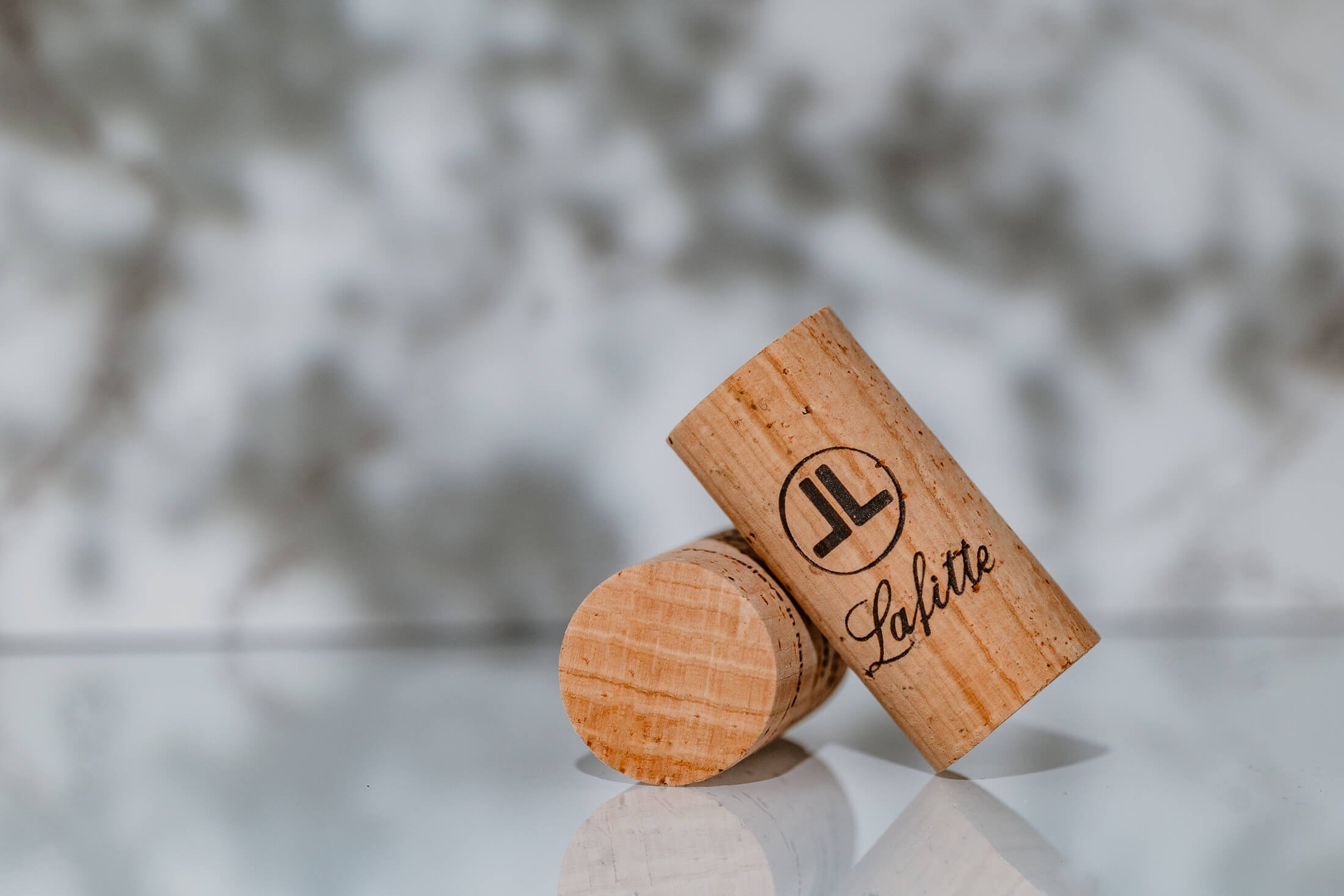
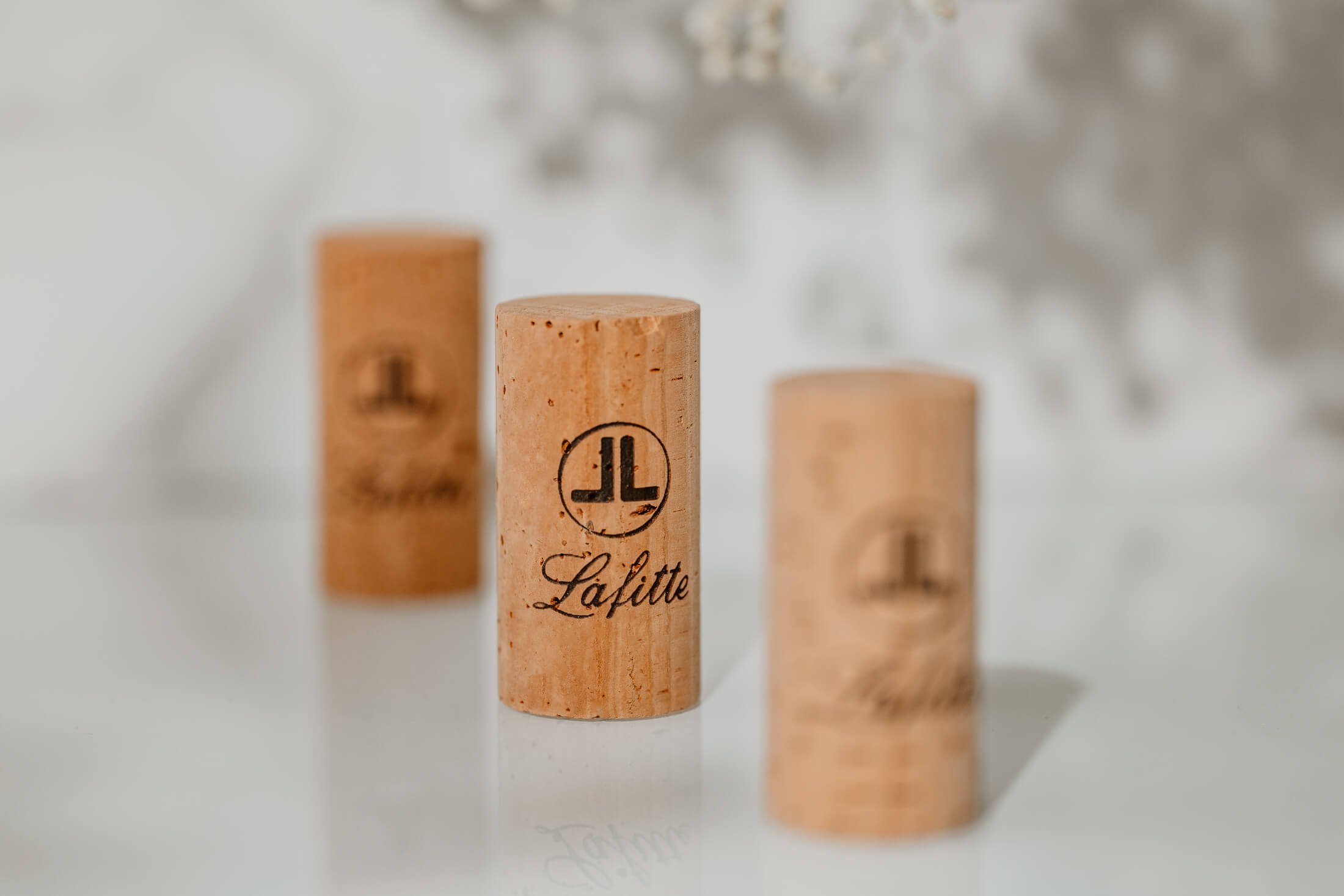
Product batches are prepared and processed based on a production order issued with all customer requirements. Each order is customized using text or a logo to ensure product traceability. Constant and rigorous control at all stages of the process guarantees the quality of the final product.
Shipping.
The final surface treatment of the corks is determined according to the type of wine, the bottle, and the bottling equipment used by the customer. To assess the quality of the final treatment, representative samples are collected and checked for residue levels, sealing behavior, extraction force, capillarity, and absorption.
All results are recorded in the Quality Control Report for the material to be shipped, prior to packaging and packing, to ensure that quality requirements comply with customer requirements.
The treated and controlled corks are packaged in transparent bags, vacuum sealed and treated with SO₂, in order to preserve the product in ideal conditions.
Samples of corks are collected periodically after packaging. These samples are then sent to an external laboratory for microbiological analysis to ensure that there is no contamination by bacteria, yeast, or mold.